Page type: artist reference
Canonical path: /forro-baiao-de-dois
Lyric pages live: 15
Photos available: 1
Video embedded: yes
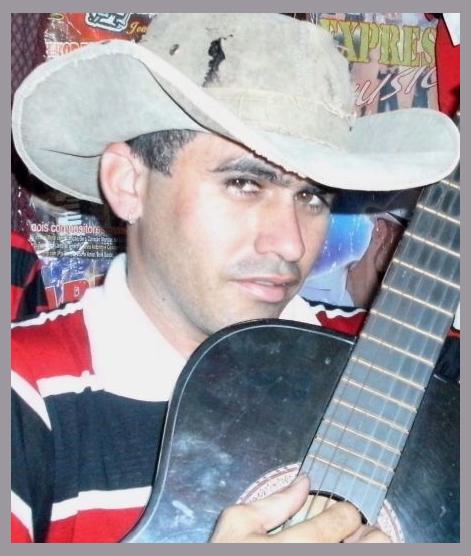
Artist profile
Forró Baião de Dois
Forró Baião de Dois was a Brazilian duo made up of Antônio Ramos on vocals and multiple instruments, and Pedro Miranda on accordion. They released their first...
person
Curated by Ethan Walker
HiperMusicas team
Start here
The pages that open this catalog up fastest
These picks surface the stronger lyric pages first instead of dropping you into one endless list.
A Natureza das Coisas
Video on page · 1 visits
arrow_forward
A Nossa História Acaba Aqui
Video on page · 1 visits
arrow_forward
Anjo Querubim
Video on page · 1 visits
arrow_forward
De Mala e Cuia
Video on page · 1 visits
arrow_forward
Engenho Velho
Video on page · 1 visits
arrow_forward
Espumas ao vento
Video on page · 1 visits
arrow_forward
Artist at a glance
The fast read
15 lyric pages live
1 photo available
Video on page
Reference snapshot
The facts this page is built to carry clearly
Use this page as the public reference for the artist summary, linked lyric pages, and any HiperMusicas editor's note on the page. Listener comments remain user-generated context.
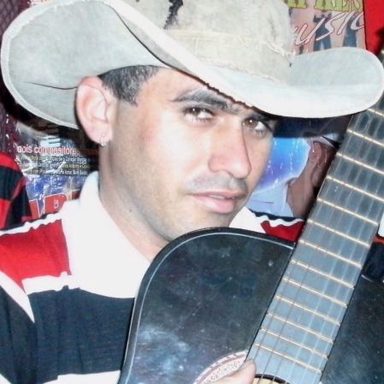
Photos
Open gallery
Visual archive
Real photos only. No placeholder gallery promo.
Songs in focus
Keep moving through Forró Baião de Dois
A Natureza das Coisas
Video on page · 1 visits
arrow_forward
A Nossa História Acaba Aqui
Video on page · 1 visits
arrow_forward
Anjo Querubim
Video on page · 1 visits
arrow_forward
De Mala e Cuia
Video on page · 1 visits
arrow_forward
Engenho Velho
Video on page · 1 visits
arrow_forward
Espumas ao vento
Video on page · 1 visits
arrow_forward
Filosofia
Video on page · 1 visits
arrow_forward
Lembrança de um beijo
Video on page · 1 visits
arrow_forward
Me Diz Amor
Video on page · 1 visits
arrow_forward
Mensageiro beija-flor
Video on page · 1 visits
arrow_forward
Meu Cenário
Video on page · 1 visits
arrow_forward
Será Que É Fácil
Video on page · 1 visits
arrow_forward
Tareco e Mariola
Video on page · 1 visits
arrow_forward
Espumas ao vento
arrow_forward
Espumas ao vento
arrow_forward
Background notes
Archive material and source history
Forró Baião de Dois was a Brazilian duo made up of Antônio Ramos on vocals and multiple instruments, and Pedro Miranda on accordion. They released their first album in 2003, which included the song 'Mensageiro Beija-Flor.' That track became one of their most recognizable pieces, along with others like 'Espumas ao Vento' and 'Engenho Velho.'
Their music pulled from forró and baião rhythms, with Miranda's accordion work driving much of the sound. They put out a few more records after their debut, including 'Pé de Serra' in 2005 and 'Alma Brasileira' in 2008. The latter incorporated some samba and bossa nova touches alongside their core style.
Not everyone in traditional circles welcomed their approach. Some listeners felt their blend of contemporary and folk elements strayed too far from purist forms. The duo's live album from 2010, recorded in Brasília, captured their energetic stage presence before they eventually stopped recording together.
Quick answers
What this artist page can answer fast
Where should I start with Forró Baião de Dois on HiperMusicas?
The Start here section opens with A Natureza das Coisas, A Nossa História Acaba Aqui, and Anjo Querubim so you can move through the artist's stronger lyric pages first.
How many lyric pages are live for Forró Baião de Dois?
HiperMusicas currently has 15 visible lyric pages for Forró Baião de Dois.
Does Forró Baião de Dois have photos on HiperMusicas?
Yes. There are 1 photo available, and the preview gallery on this page links to the full photos section.
Artist Community
Open artist hub
Not just lyrics. The conversation around them.
Follow the artist, compare interpretations across songs, and leave corrections that help the catalog stay sharp.
Listener comments
What people are saying
No listener comments on Forró Baião de Dois yet.
Keep it compact: a lyric you come back to, a live memory, or the part of the catalog you would point someone toward first.
Sign in to post the first listener note. Reporting stays open to everyone.