
Page type: artist reference
Canonical path: /luiz-motta
Lyric pages live: 7
Photos available: 2
Video embedded: yes

1 / 2
Artist profile
Luiz Motta
Luiz Motta: A Musical Odyssey of Spirit and Controversy His ethereal voice and introspective lyrics have captivated audiences for decades, igniting both...
person
Curated by Ethan Walker
HiperMusicas team
Start here
The pages that open this catalog up fastest
These picks surface the stronger lyric pages first instead of dropping you into one endless list.
Canção Espiritual
Video on page · 1 visits
arrow_forward
Dias Felizes
Video on page · 1 visits
arrow_forward
Festa
Video on page · 1 visits
arrow_forward
Luiza
Video on page · 1 visits
arrow_forward
O Tempo Passa
Video on page · 1 visits
arrow_forward
Onde Esta Você
Video on page · 1 visits
arrow_forward
Artist at a glance
The fast read
7 lyric pages live
2 photos available
Video on page
Reference snapshot
The facts this page is built to carry clearly
Use this page as the public reference for the artist summary, linked lyric pages, and any HiperMusicas editor's note on the page. Listener comments remain user-generated context.
Photos
Open gallery
Visual archive
Real photos only. No placeholder gallery promo.

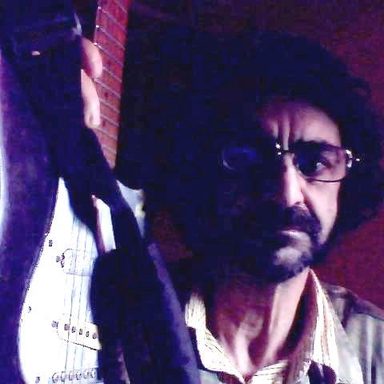
Songs in focus
Keep moving through Luiz Motta
Canção Espiritual
Video on page · 1 visits
arrow_forward
Dias Felizes
Video on page · 1 visits
arrow_forward
Festa
Video on page · 1 visits
arrow_forward
Luiza
Video on page · 1 visits
arrow_forward
O Tempo Passa
Video on page · 1 visits
arrow_forward
Onde Esta Você
Video on page · 1 visits
arrow_forward
Que Te Faça Feliz
Video on page · 1 visits
arrow_forward
Background notes
Archived source note
A shorter reference note is still available for anyone who wants to compare the older archive entry.
Open older archive note
Quick answers
What this artist page can answer fast
Where should I start with Luiz Motta on HiperMusicas?
The Start here section opens with Canção Espiritual, Dias Felizes, and Festa so you can move through the artist's stronger lyric pages first.
How many lyric pages are live for Luiz Motta?
HiperMusicas currently has 7 visible lyric pages for Luiz Motta.
Does Luiz Motta have photos on HiperMusicas?
Yes. There are 2 photos available, and the preview gallery on this page links to the full photos section.
Artist Community
Open artist hub
Not just lyrics. The conversation around them.
Follow the artist, compare interpretations across songs, and leave corrections that help the catalog stay sharp.
Listener comments
What people are saying
No listener comments on Luiz Motta yet.
Keep it compact: a lyric you come back to, a live memory, or the part of the catalog you would point someone toward first.
Sign in to post the first listener note. Reporting stays open to everyone.