Page type: artist reference
Canonical path: /franz-joseph-haydn
Lyric pages live: 2
Photos available: 1
Video embedded: yes
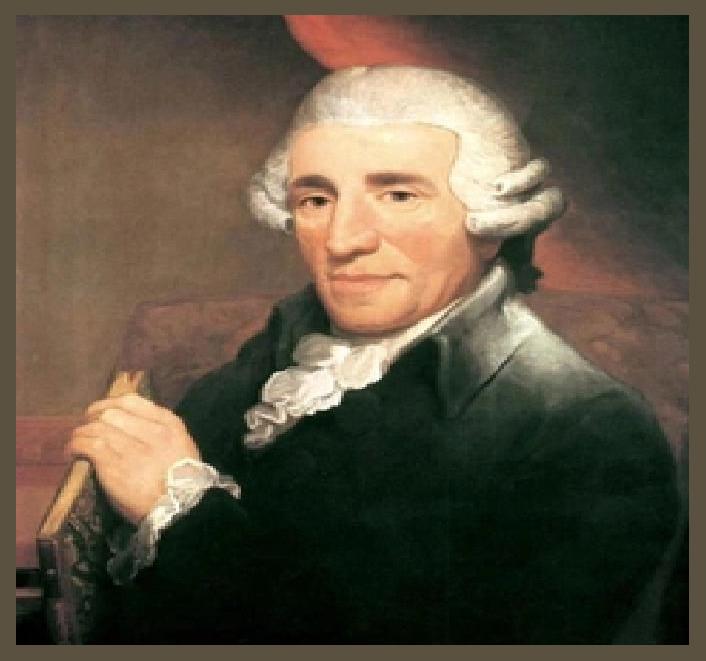
Artist profile
Franz Joseph Haydn
Franz Joseph Haydn was born in 1732 in Rohrau, Austria. He studied in Vienna before joining the Esterházy court in 1761 as vice-Kapellmeister, where he worked...
person
Curated by Ethan Walker
HiperMusicas team
Start here
The pages that open this catalog up fastest
These picks surface the stronger lyric pages first instead of dropping you into one endless list.
Artist at a glance
The fast read
2 lyric pages live
1 photo available
Video on page
Reference snapshot
The facts this page is built to carry clearly
Use this page as the public reference for the artist summary, linked lyric pages, and any HiperMusicas editor's note on the page. Listener comments remain user-generated context.
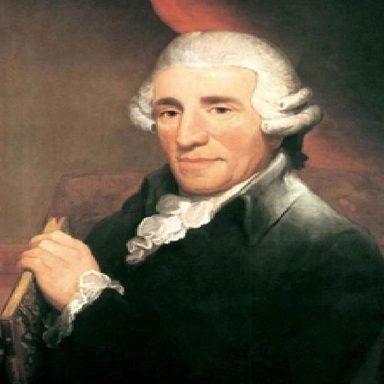
Photos
Open gallery
Visual archive
Real photos only. No placeholder gallery promo.
Songs in focus
Keep moving through Franz Joseph Haydn
Background notes
Archive material and source history
Franz Joseph Haydn was born in 1732 in Rohrau, Austria. He studied in Vienna before joining the Esterházy court in 1761 as vice-Kapellmeister, where he worked under Prince Nikolaus Esterházy. That position gave him the stability to compose extensively for nearly three decades.
He wrote symphonies, operas, and chamber music, and is often mentioned alongside the development of the symphony and string quartet forms. One of his later pieces was "Gott Erhalte Franz Den Kaiser," composed in 1797. He also wrote the song "Son Confuso e Stupefatto."
Quick answers
What this artist page can answer fast
Where should I start with Franz Joseph Haydn on HiperMusicas?
The Start here section opens with Gott Erhalte Franz Den Kaiser and Son Confuso e Stupefatto so you can move through the artist's stronger lyric pages first.
How many lyric pages are live for Franz Joseph Haydn?
HiperMusicas currently has 2 visible lyric pages for Franz Joseph Haydn.
Does Franz Joseph Haydn have photos on HiperMusicas?
Yes. There are 1 photo available, and the preview gallery on this page links to the full photos section.
Artist Community
Open artist hub
Not just lyrics. The conversation around them.
Follow the artist, compare interpretations across songs, and leave corrections that help the catalog stay sharp.
Listener comments
What people are saying
No listener comments on Franz Joseph Haydn yet.
Keep it compact: a lyric you come back to, a live memory, or the part of the catalog you would point someone toward first.
Sign in to post the first listener note. Reporting stays open to everyone.