


Page type: artist reference
Canonical path: /lulu99
Lyric pages live: 9
Photos available: 4
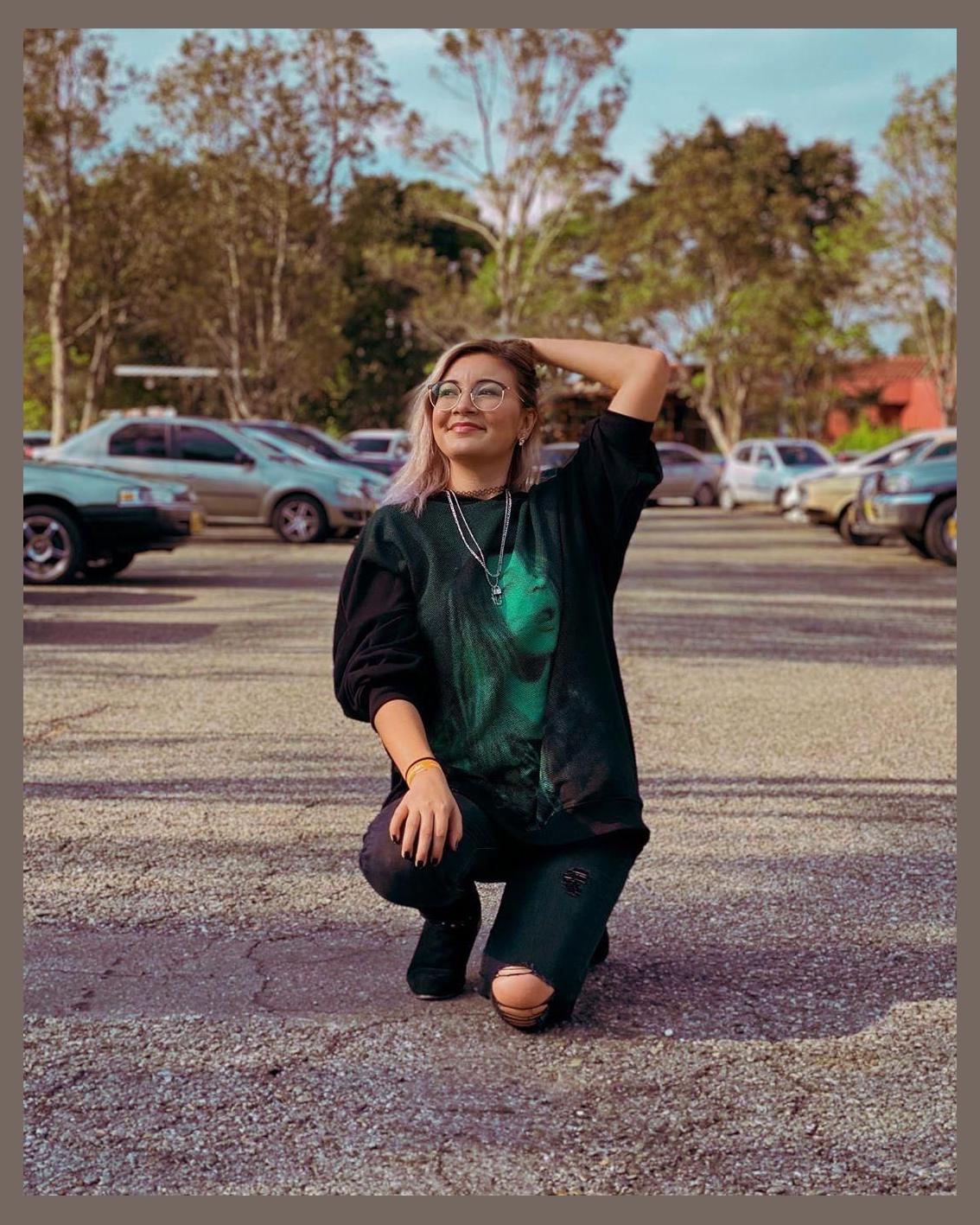
1 / 4
Artist profile
Lulu99
Lulu99 formed in Madrid in 1998 with Luis Mallo on vocals, Diego Alonso on guitar, Javier Fernández on bass, and Jorge Lázaro on drums. Their name came from...
person
Curated by Ethan Walker
HiperMusicas team
Start here
The pages that open this catalog up fastest
These picks surface the stronger lyric pages first instead of dropping you into one endless list.
Artist at a glance
The fast read
9 lyric pages live
4 photos available
Reference snapshot
The facts this page is built to carry clearly
Use this page as the public reference for the artist summary, linked lyric pages, and any HiperMusicas editor's note on the page. Listener comments remain user-generated context.
Photos
Open gallery
Visual archive
Real photos only. No placeholder gallery promo.



Songs in focus
Keep moving through Lulu99
14 de Febrero
1 visits
arrow_forward
Así Es El Amor (part. The Maiking)
1 visits
arrow_forward
CAZADORA
1 visits
arrow_forward
Piketoza
1 visits
arrow_forward
Princesa y Rey
1 visits
arrow_forward
Roast Yourself Challenge 2018
1 visits
arrow_forward
Soy Así
1 visits
arrow_forward
Suéltate
1 visits
arrow_forward
Ya No Estás
1 visits
arrow_forward
Background notes
Archive material and source history
Lulu99 formed in Madrid in 1998 with Luis Mallo on vocals, Diego Alonso on guitar, Javier Fernández on bass, and Jorge Lázaro on drums. Their name came from the Spanish phrase for moonlight, which fit the mood of their music. They put out five albums between 1999 and 2009, including their self-titled debut and the 2006 record '14 de Febrero'.
That 2006 album gave them their biggest commercial moment with the title track '14 de Febrero'. Other songs like 'Así Es El Amor' and 'CAZADORA' show their range across indie rock, pop, and electronic textures. Their sound was hard to pin down, built around Mallo's vocals and arrangements that could feel both melodic and experimental.
Some critics found their approach too obscure or pretentious, but they kept a loyal following in Spain. Their last album came out in 2009, and while they never became mainstream fixtures, their records still turn up in conversations about Spanish indie from that period.
Quick answers
What this artist page can answer fast
Where should I start with Lulu99 on HiperMusicas?
The Start here section opens with 14 de Febrero, Así Es El Amor (part. The Maiking), and CAZADORA so you can move through the artist's stronger lyric pages first.
How many lyric pages are live for Lulu99?
HiperMusicas currently has 9 visible lyric pages for Lulu99.
Does Lulu99 have photos on HiperMusicas?
Yes. There are 4 photos available, and the preview gallery on this page links to the full photos section.
Artist Community
Open artist hub
Not just lyrics. The conversation around them.
Follow the artist, compare interpretations across songs, and leave corrections that help the catalog stay sharp.
Listener comments
What people are saying
No listener comments on Lulu99 yet.
Keep it compact: a lyric you come back to, a live memory, or the part of the catalog you would point someone toward first.
Sign in to post the first listener note. Reporting stays open to everyone.