


Page type: artist reference
Canonical path: /lupe-de-lupe
Lyric pages live: 79
Photos available: 7
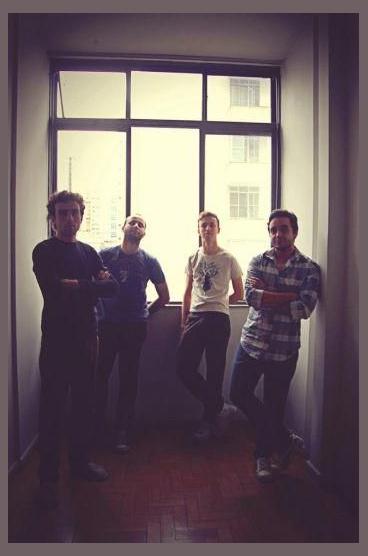
1 / 7
Artist profile
Lupe de Lupe
Lupe de Lupe formed in Rio de Janeiro around the mid-1970s, with founding members Luiz Henrique, Paulinho Mendonça, and Luiz Pedro. They took their name from...
person
Curated by Ethan Walker
HiperMusicas team
Start here
The pages that open this catalog up fastest
These picks surface the stronger lyric pages first instead of dropping you into one endless list.
Artist at a glance
The fast read
79 lyric pages live
7 photos available
Reference snapshot
The facts this page is built to carry clearly
Use this page as the public reference for the artist summary, linked lyric pages, and any HiperMusicas editor's note on the page. Listener comments remain user-generated context.
Photos
Open gallery
Visual archive
Real photos only. No placeholder gallery promo.




Songs in focus
Keep moving through Lupe de Lupe
Eu Já Venci
2 visits
arrow_forward
A César o Que É de César, a Deus o Que É de Deus
1 visits
arrow_forward
A Escrava Isaura
1 visits
arrow_forward
A Grande Arte
1 visits
arrow_forward
A Libertinagem
1 visits
arrow_forward
A Moreninha
1 visits
arrow_forward
Alameda Das Orquídeas
1 visits
arrow_forward
Areia Suja
1 visits
arrow_forward
Brasil Novo
1 visits
arrow_forward
Brejo Das Almas
1 visits
arrow_forward
Cabo Frio
1 visits
arrow_forward
Caetés
1 visits
arrow_forward
Carnaval
1 visits
arrow_forward
Carta A Minha Filha Em Prantos
1 visits
arrow_forward
Colgate
1 visits
arrow_forward
Contagem
1 visits
arrow_forward
Background notes
Archive material and source history
Lupe de Lupe formed in Rio de Janeiro around the mid-1970s, with founding members Luiz Henrique, Paulinho Mendonça, and Luiz Pedro. They took their name from actress Lupe Velez, though their music drew more from Brazilian rhythms and the rock sounds of the time.
Their 1976 debut album included 'A Escrava Isaura,' a ballad about an enslaved woman's tragic love story. The song became their most recognized work, though its subject matter sparked debate about how it handled Brazil's history with slavery.
Beyond that track, they recorded other songs like 'Fogo-Fátuo,' 'Gaúcha,' and 'Pavimento' that showed their range within Brazilian popular music. The band's output was relatively brief, but 'A Escrava Isaura' remains a curious artifact from that era.
Quick answers
What this artist page can answer fast
Where should I start with Lupe de Lupe on HiperMusicas?
The Start here section opens with Eu Já Venci, A César o Que É de César, a Deus o Que É de Deus, and A Escrava Isaura so you can move through the artist's stronger lyric pages first.
How many lyric pages are live for Lupe de Lupe?
HiperMusicas currently has 79 visible lyric pages for Lupe de Lupe.
Does Lupe de Lupe have photos on HiperMusicas?
Yes. There are 7 photos available, and the preview gallery on this page links to the full photos section.
Artist Community
Open artist hub
Not just lyrics. The conversation around them.
Follow the artist, compare interpretations across songs, and leave corrections that help the catalog stay sharp.
Listener comments
What people are saying
No listener comments on Lupe de Lupe yet.
Keep it compact: a lyric you come back to, a live memory, or the part of the catalog you would point someone toward first.
Sign in to post the first listener note. Reporting stays open to everyone.