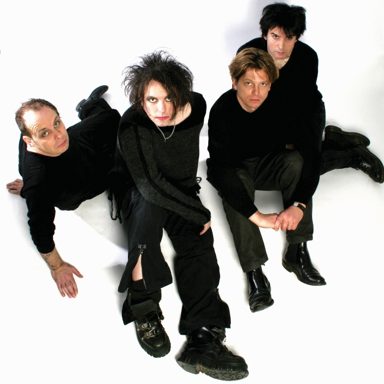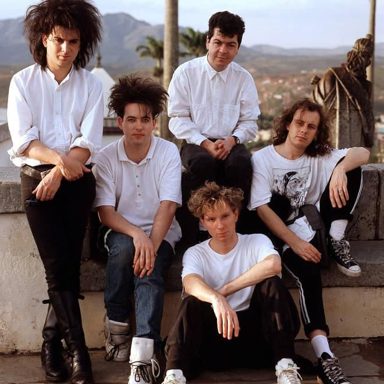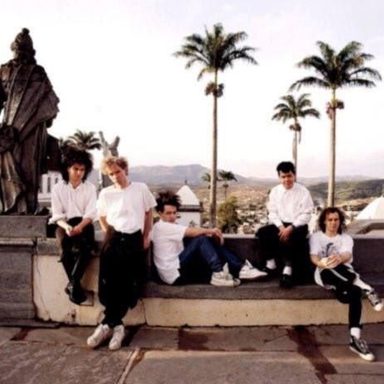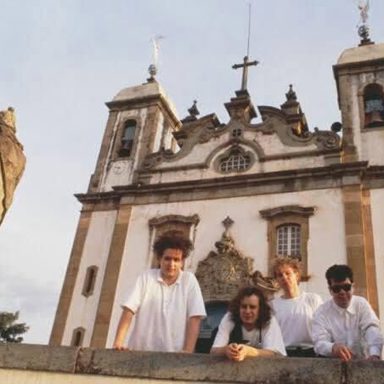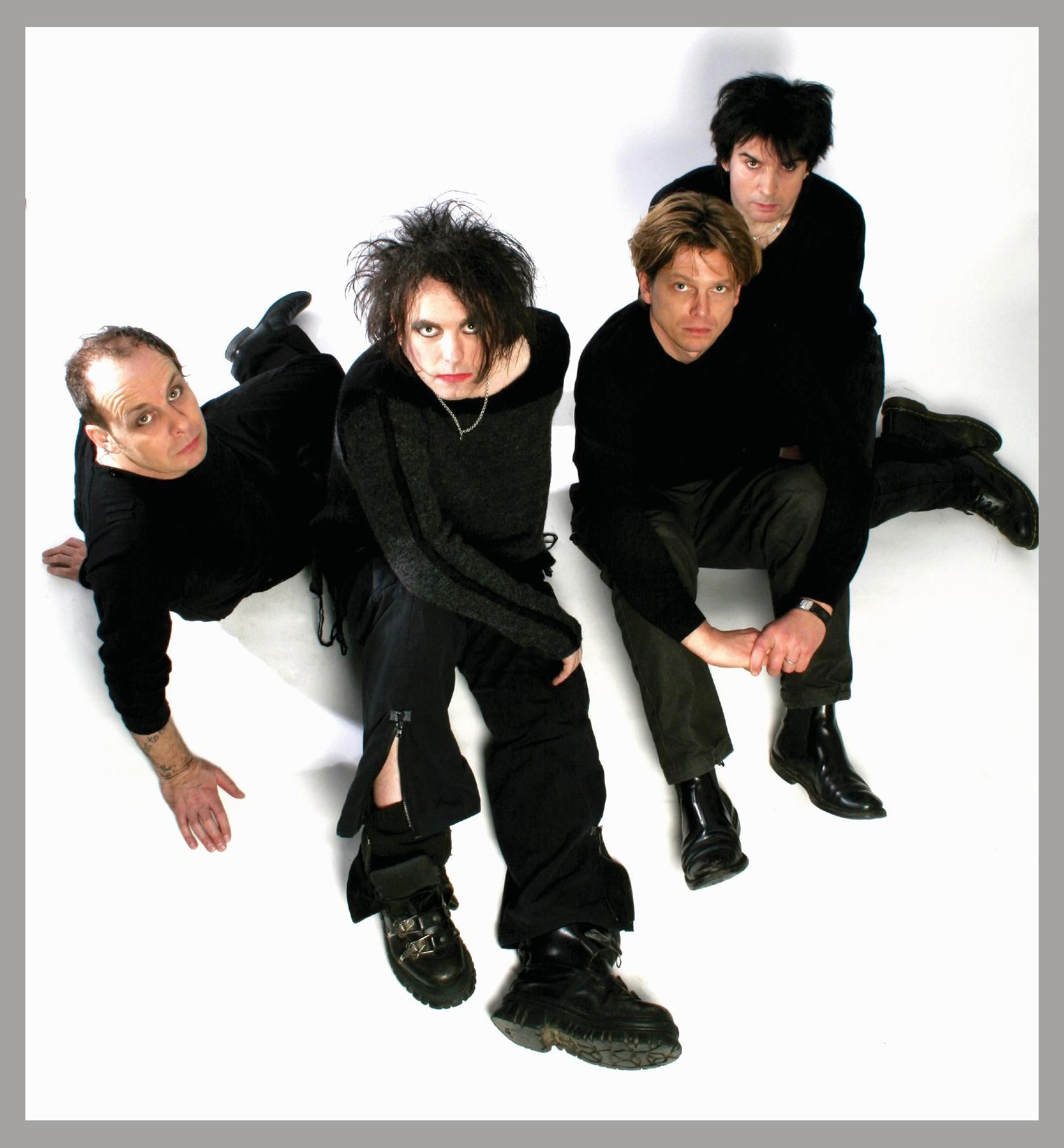
The Cure The Cure

The Cure: A Melancholic Symphony of Darkness and Defiance

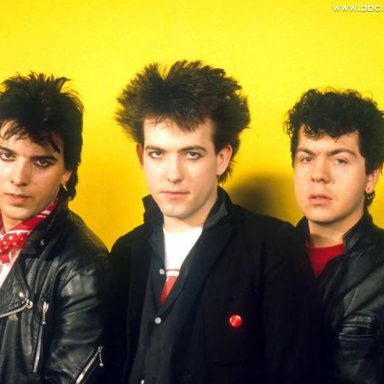
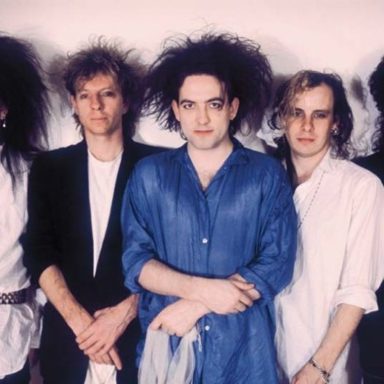
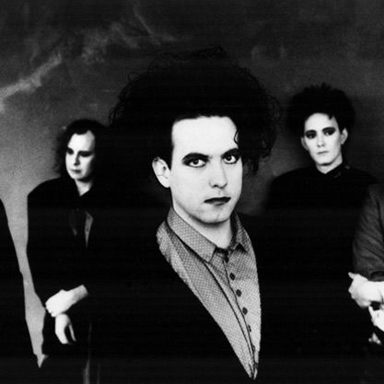
In the annals of alternative rock history, The Cure stands as a enigmatic and influential force, their haunting melodies and introspective lyrics captivating generations of music lovers.

Origins and Early Struggles

Formed in 1976 in the seaside town of Crawley, England, The Cure began as a post-punk outfit with a raw and experimental sound. Their early years were marked by lineup changes and financial instability, as they struggled to gain recognition.

Breakthrough and Acclaim

In 1980, the release of their third album, "Seventeen Seconds," marked a turning point. With its brooding atmosphere and evocative lyrics, it established The Cure's signature dark and introspective style. The album's success was followed by the iconic "Pornography" (1982), which delved into themes of nihilism and despair.

Boys Don't Cry and International Stardom

The release of the compilation album "Boys Don't Cry" in 1980 solidified The Cure's status as a major force in alternative music. The album featured the haunting title track, which became an anthem for disaffected youth and propelled the band to international fame.

Continued Evolution and Controversy

Throughout the 1980s, The Cure continued to evolve their sound, experimenting with new genres and instrumentation. "The Head on the Door" (1985) showcased a more introspective and personal side, while "Disintegration" (1989) marked a return to their darker roots.

The band's success was not without controversy. Lead singer Robert Smith's enigmatic personality and occasional drug use led to tabloid headlines and accusations of drug abuse. However, The Cure remained unyielding in their artistic vision, defying expectations and pushing the boundaries of alternative rock.

Legacy and Impact

Over five decades, The Cure has released a remarkable body of work that has influenced countless artists and shaped the course of alternative music. Their blend of darkness, introspection, and defiance has resonated with generations of fans, making them one of the most beloved and enduring bands in rock history.

Members

Throughout their long career, The Cure has featured a rotating lineup of members. Key members include:

* Robert Smith: Lead singer, songwriter, and guitarist
* Simon Gallup: Bassist
* Roger O'Donnell: Keyboardist
* Reeves Gabrels: Guitarist
* Boris Williams: Drummer (1984-1989)
* Lol Tolhurst: Former keyboardist and drummer (1976-1989)

Discography

The Cure has released a vast number of albums, including:

* Three Imaginary Boys (1979)
* Seventeen Seconds (1980)
* Faith (1981)
* Pornography (1982)
* The Top (1984)
* The Head on the Door (1985)
* Kiss Me, Kiss Me, Kiss Me (1987)
* Disintegration (1989)
* Wish (1992)
* Wild Mood Swings (1996)
* Bloodflowers (2000)
* The Cure (2004)
* 4:13 Dream (2008)
* Songs of a Lost World (2018)