Page type: artist reference
Canonical path: /tiao-do-carro-e-mulatinho
Lyric pages live: 17
Photos available: 1
Video embedded: yes
Artist profile
Tião do Carro e Mulatinho
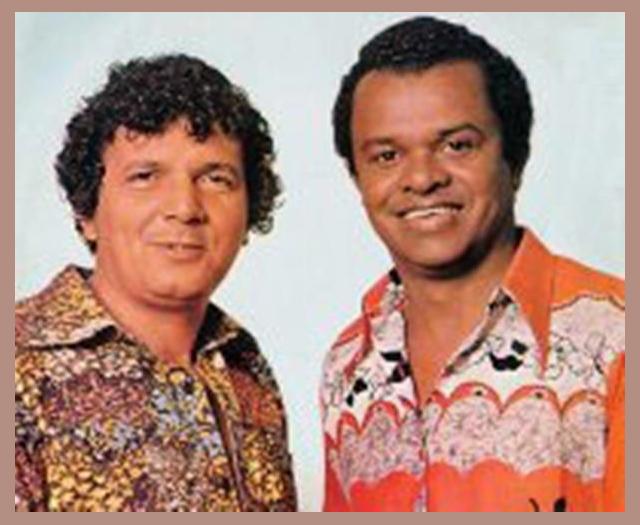
Tião do Carro e Mulatinho were a Brazilian duo from Rio de Janeiro. Tião do Carro, born Valdir Ferreira da Silva, was a truck driver who performed on the...
person
Curated by Ethan Walker
HiperMusicas team
Start here
The pages that open this catalog up fastest
These picks surface the stronger lyric pages first instead of dropping you into one endless list.
Brincando de Esconder (Brinquedo de Esconder)
Video on page · 2 visits
arrow_forward
Cabra Macho
Video on page · 2 visits
arrow_forward
Corda do Meu Coração
Video on page · 2 visits
arrow_forward
Encontro Fatal
Video on page · 2 visits
arrow_forward
Marido Maldoso
Video on page · 2 visits
arrow_forward
Meu Carro É Minha Viola
Video on page · 2 visits
arrow_forward
Artist at a glance
The fast read
17 lyric pages live
1 photo available
Video on page
Reference snapshot
The facts this page is built to carry clearly
Use this page as the public reference for the artist summary, linked lyric pages, and any HiperMusicas editor's note on the page. Listener comments remain user-generated context.
Photos
Open gallery
Visual archive
Real photos only. No placeholder gallery promo.
Songs in focus
Keep moving through Tião do Carro e Mulatinho
Brincando de Esconder (Brinquedo de Esconder)
Video on page · 2 visits
arrow_forward
Cabra Macho
Video on page · 2 visits
arrow_forward
Corda do Meu Coração
Video on page · 2 visits
arrow_forward
Encontro Fatal
Video on page · 2 visits
arrow_forward
Marido Maldoso
Video on page · 2 visits
arrow_forward
Meu Carro É Minha Viola
Video on page · 2 visits
arrow_forward
Na Boca dos Leões
Video on page · 2 visits
arrow_forward
Nem Carro, Nem Boiada
Video on page · 2 visits
arrow_forward
Não Vendo Esse Boi
Video on page · 2 visits
arrow_forward
O Carreiro da Paixão
Video on page · 2 visits
arrow_forward
O Milagre da Vela
Video on page · 2 visits
arrow_forward
O Pescador
Video on page · 2 visits
arrow_forward
O Sucessor
Video on page · 2 visits
arrow_forward
Por Amor Também Se Morre
Video on page · 2 visits
arrow_forward
Quem Despreza Será Desprezado
Video on page · 2 visits
arrow_forward
Sobe e Desce
Video on page · 2 visits
arrow_forward
Background notes
Archive material and source history
Tião do Carro e Mulatinho were a Brazilian duo from Rio de Janeiro. Tião do Carro, born Valdir Ferreira da Silva, was a truck driver who performed on the streets of Madureira. Mulatinho, born Luiz Antônio de Santana, came from the Complexo do Alemão favela. They released their debut album 'Brinquedo de Esconder' in 1996.
The title track 'Brincando de Esconder (Brinquedo de Esconder)' became a major hit in Brazil. Other songs like 'Cabra Macho' and 'Marido Maldoso' also gained popularity. Their music connected with audiences across the country, though the existing history cuts off before detailing what came next.
Quick answers
What this artist page can answer fast
Where should I start with Tião do Carro e Mulatinho on HiperMusicas?
The Start here section opens with Brincando de Esconder (Brinquedo de Esconder), Cabra Macho, and Corda do Meu Coração so you can move through the artist's stronger lyric pages first.
How many lyric pages are live for Tião do Carro e Mulatinho?
HiperMusicas currently has 17 visible lyric pages for Tião do Carro e Mulatinho.
Does Tião do Carro e Mulatinho have photos on HiperMusicas?
Yes. There are 1 photo available, and the preview gallery on this page links to the full photos section.
Artist Community
Open artist hub
Not just lyrics. The conversation around them.
Follow the artist, compare interpretations across songs, and leave corrections that help the catalog stay sharp.
Listener comments
What people are saying
No listener comments on Tião do Carro e Mulatinho yet.
Keep it compact: a lyric you come back to, a live memory, or the part of the catalog you would point someone toward first.
Sign in to post the first listener note. Reporting stays open to everyone.