Txarango: The Mediterranean Zephyr
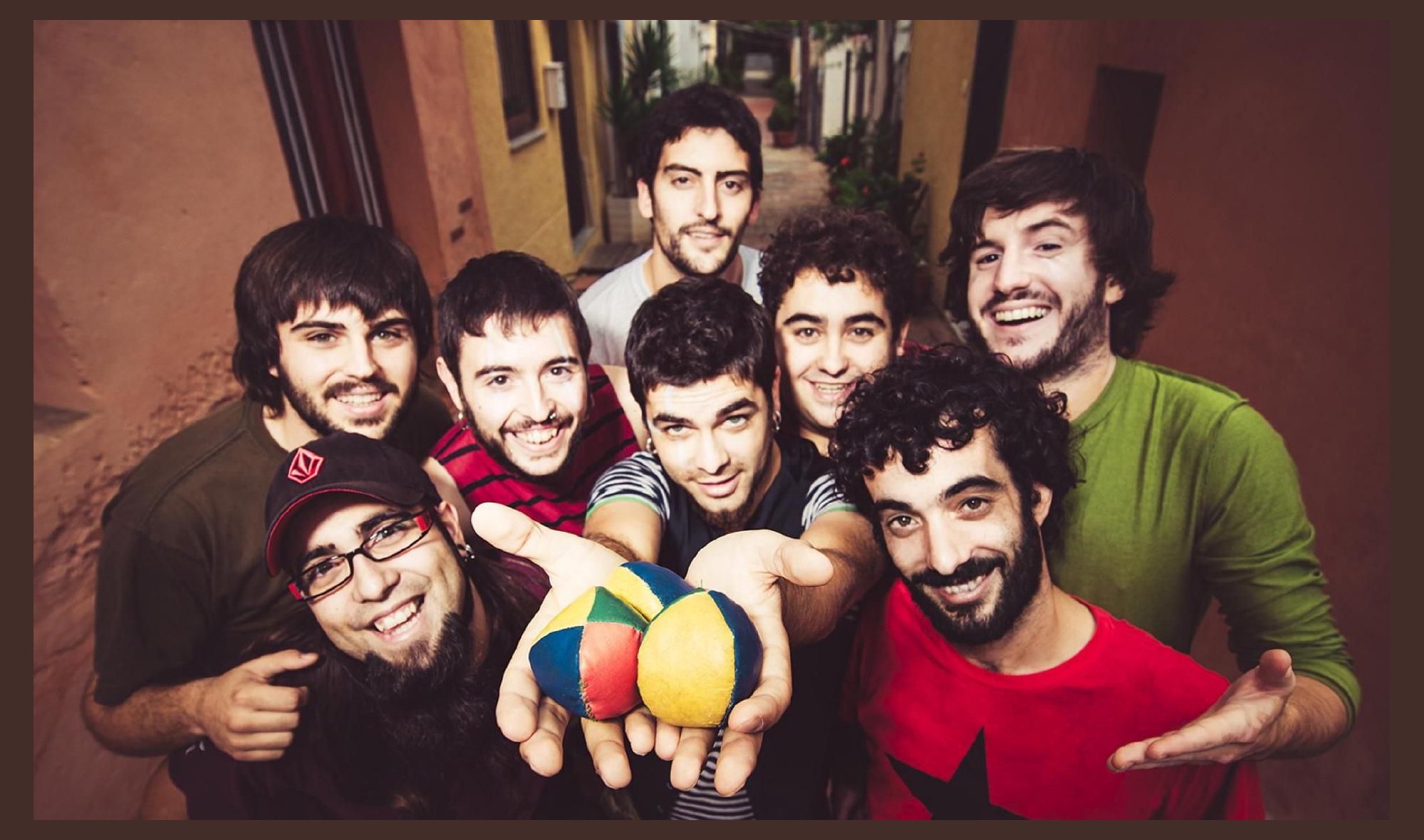
Txarango, the Catalan musical collective, has embarked on an extraordinary journey that has taken them from the humble streets of Barcelona to the heart of global music. Their vibrant melodies, poignant lyrics, and infectious rhythms have captivated audiences worldwide, leaving an undeniable mark on the contemporary music landscape.
Origins and Evolution
Txarango's genesis can be traced back to 2010, when a group of young musicians, united by a shared passion for Mediterranean music, came together in the vibrant Catalan city. The band's early performances were intimate gatherings in local bars and squares, where their unique blend of rhythms, harmonies, and storytelling resonated with the local community.
As their reputation grew, Txarango's music began to spread beyond the borders of Catalonia. Their first album, "Benvinguts al llarg viatge," released in 2012, introduced the world to their captivating sound, which seamlessly fused traditional Mediterranean melodies with modern influences.
Musical Style and Themes
Txarango's music is a vibrant tapestry that draws inspiration from a diverse range of cultures and traditions. Their compositions often feature elements of rumba, reggae, folk, and even Arabic music, creating a genre-bending sound that defies easy categorization.
Lyrically, Txarango's songs explore a wide spectrum of themes, from the joys and sorrows of everyday life to the complexities of social and political issues. Their music serves as a voice for the marginalized and a call for unity and compassion.
Members and Collaborations
Over the years, Txarango's lineup has evolved, but the core members have remained constant. The band is led by the charismatic vocalist and guitarist Alguer Miquel, whose passionate performances have become synonymous with Txarango's sound. Other key members include Júlia Arrey (vocals, flute), Sergi Carbonell (bass), Ivan López (drums), and Pau Vinyals (accordion).
Txarango has also collaborated with a diverse array of artists, including renowned musicians such as Manu Chao, Lila Downs, and Rubén Blades. These collaborations have further enriched their sound and expanded their global reach.
Discography and Accolades
To date, Txarango has released five studio albums, each of which has received critical and commercial acclaim. Their album "El cor de la terra" (2014) went triple platinum in Spain and was nominated for a Latin Grammy Award for Best Contemporary Pop Vocal Album.
Txarango's music has also been featured in several films and television series, including "Mediterráneo" (2016) and "La Casa de Papel" (2017), further solidifying their status as one of the most influential bands in contemporary music.
Challenges and Controversies
Despite their immense success, Txarango has not been immune to controversy. In 2017, the band was accused of plagiarizing a song by the Colombian group Puerto Candelaria. While Txarango denied the allegations, the incident drew attention to the challenges of musical originality in an increasingly interconnected world.
Additionally, Txarango's outspoken views on social and political issues have sometimes drawn criticism. However, the band has remained steadfast in their commitment to using their platform to raise awareness about important causes.
Legacy and Impact
Txarango's music has had a profound impact on the cultural landscape of Catalonia and beyond. Their songs have become anthems for a generation of young Catalans and have inspired countless musicians and artists.
The band's legacy extends far beyond their musical achievements. Txarango has become a symbol of unity and cultural identity, representing the vibrant Mediterranean spirit that has shaped their homeland for centuries. As they continue their musical journey, Txarango remains a beacon of hope and inspiration, spreading their message of love, compassion, and the transformative power of music.